Lewisham High Street Rubbish Removal Guide for Busy Locals
If you live, work, shop, or commute around Lewisham High Street, rubbish removal can feel like one more job you never quite have time for. Bags build up. A broken chair gets shoved in a corner. The old fridge sits there, quietly annoying everyone. This Lewisham High Street rubbish removal guide for busy locals is designed to help you deal with waste quickly, safely, and without turning your week upside down.
Whether you are clearing a flat near the centre, shifting builder's waste after a small renovation, or simply trying to get rid of bulky items before the weekend, the goal is the same: remove the mess with as little disruption as possible. Below, you will find a practical guide to how rubbish removal works, what to expect, what to avoid, and how to make the whole thing easier. A bit calmer, too.
Table of Contents
- Why Lewisham High Street rubbish removal guide for busy locals matters
- How Lewisham High Street rubbish removal guide for busy locals works
- Key benefits and practical advantages
- Who this is for and when it makes sense
- Step-by-step guidance
- Expert tips for better results
- Common mistakes to avoid
- Tools, resources and recommendations
- Law, compliance, standards, or best practice
- Options, methods, or comparison table
- Case study or real-world example
- Practical checklist
- Conclusion
- Frequently asked questions
Why Lewisham High Street rubbish removal guide for busy locals Matters
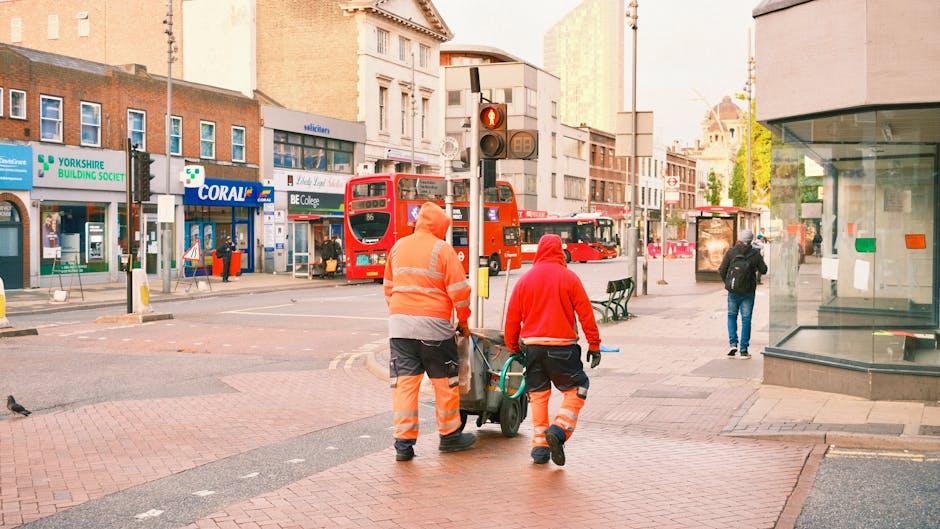
Lewisham High Street is busy in the way only a proper London high street can be busy. People moving through all day, deliveries coming and going, flats above shops, offices, cafes, compact homes, side streets, limited space. That means rubbish is not just an eyesore; it can become a practical problem very quickly.
If you are short on time, even a small rubbish job can spiral. One sack turns into three. A bit of DIY waste becomes a pile of timber offcuts, packaging, and dusty plasterboard. Before long, you are avoiding the back room because it looks like a storage unit nobody asked for.
Good rubbish removal matters here because the local environment is not built for delay. Bags left too long can smell, attract pests, or obstruct shared access. Bulky waste can make hallways awkward for neighbours. For businesses, waste hanging around outside creates a bad first impression. And in a dense area, one person's "I'll sort it later" can become everyone else's inconvenience. To be fair, none of us want that.
There is also the simple truth that busy locals need a process that fits around real life. Not every household can spend half a day loading a van. Not every shop can shut early. Not every tenant can wait for a perfect free afternoon that never arrives. Rubbish removal has to work around work, school runs, opening hours, and the reality of London time pressure.
That is why a clear guide helps. It gives you a way to sort what can go, what needs special handling, and what can be removed without fuss. If you are comparing services, it also helps to know where a service like general waste removal fits, when you may need furniture disposal, and when a more specific service makes life easier.
How Lewisham High Street rubbish removal guide for busy locals Works
In practice, rubbish removal is usually about matching the right service to the right type of waste. That sounds obvious, but it saves a lot of time and hassle. A couple clearing a flat, a landlord after a tenancy, and a cafe replacing broken fixtures will all need different handling. Same street, different mess.
Most services begin with a simple description of what you need gone. Then you work out volume, access, timing, and any special items. That might include mattresses, old sofas, appliances, mixed household rubbish, garden waste, or builders' debris. If the load includes anything awkward or regulated, you need to flag it early rather than hoping it can be handled as normal rubbish. It usually cannot.
Busy locals often like rubbish removal because it is practical and fast. You do not need to hire a skip if you have nowhere suitable to place it. You do not need to spend your evening loading bags into the boot of a car. And if access is tight, a trained team can often do the heavy lifting without you wrestling a wardrobe down three flights of stairs. That part alone is worth its weight in gold.
There is also a useful distinction between clearance and removal. Clearance usually means more of the sorting, lifting, and loading is handled for you. Removal may simply mean the waste is taken away after you have gathered it. For a busy household, office, or shop, that difference matters. A lot.
If you are dealing with a full property reset, then services like home clearance, flat clearance, or house clearance may be more appropriate than a simple one-off collection. If the waste came from a refurb or repair job, builders waste clearance may be the better match.
Key Benefits and Practical Advantages
For most Lewisham locals, the main benefit is time. You can get rid of clutter without turning it into a weekend project. That alone reduces stress. But there are a few other advantages worth spelling out.
- Less disruption: A well-planned collection can fit around work, school, or opening hours.
- Better safety: Less clutter means fewer trip hazards and less lifting for you.
- Improved use of space: That spare room or back office starts working again.
- Cleaner shared areas: Important in flats, mixed-use buildings, and small terraces.
- More suitable disposal: Items can be separated and handled properly rather than dumped in one mixed pile.
There is also a quieter benefit that people notice only afterwards: mental relief. A clear space changes the tone of a room. You hear fewer clunks, see fewer piles, and stop mentally tripping over the same old job. It sounds small, but it is not. Especially if you have been living with the clutter for months.
For bulky household waste, specialist services can be more efficient than trying to break everything down yourself. For example, if you need to get rid of a sofa, a mattress, or mixed furniture, dedicated options such as mattress and sofa disposal or furniture clearance can save time and reduce the risk of damage to your walls, stairs, or lift. And yes, lifts do seem to get smaller when you are carrying a wardrobe. Funny that.
Who This Is For and When It Makes Sense
This guide is for anyone on or near Lewisham High Street who needs rubbish gone without the drama. That includes renters, homeowners, landlords, shop owners, office managers, tradespeople, and anyone juggling a packed schedule.
You may need rubbish removal if you are:
- moving out of a flat and need leftover items removed
- clearing out a storage room, loft, garage, or basement
- replacing furniture and want the old pieces taken away
- dealing with post-refurbishment debris
- emptying an office or shop unit
- sorting out garden waste after a tidy-up
It also makes sense when you do not have easy access to a vehicle, when parking is awkward, or when the item is too bulky for the lift, stairs, or standard bin service. In a tight urban setting, that is more common than people like to admit.
Businesses often need quicker turnaround than households. A back room full of packaging, damaged stock, or broken fixtures can interfere with day-to-day operations. For that reason, business waste removal and office clearance are particularly useful when time matters and downtime costs money.
If you are unsure whether your situation counts as a clearance, ask yourself one question: do you want the mess removed, or do you want the whole job managed? If it is the latter, you probably need more than a basic collection.
Step-by-Step Guidance
Here is the simplest way to handle rubbish removal without losing an afternoon to second-guessing.
- Sort the waste by type. Group furniture, general rubbish, appliances, garden waste, and building debris separately if you can.
- Check for restricted items. Hazardous materials, chemicals, and some electricals need special handling.
- Estimate the volume. A few bags is very different from a full room or van load. Be honest here; it saves headaches later.
- Make access easier. Clear hallways, unlock gates, and protect delicate surfaces if needed.
- Choose the right service. Match the job to the waste type, not just the nearest available option.
- Agree the timing. For busy locals, morning, lunch break, or after-hours windows can make all the difference.
- Keep documents and valuables separate. This matters especially during flat, loft, or office clearances.
- Confirm what happens after collection. Good services should explain sorting, recycling, and disposal handling in plain English.
If the items are mostly household clutter, a broad service like waste removal may be enough. If you are dealing with a garage full of old tools, DIY waste, and long-forgotten boxes, garage clearance may be a better fit. For garden cuttings, hedge trimmings, and soil-heavy waste, garden clearance is usually the cleaner route.
One practical tip: take a quick photo of the waste before you book. It keeps expectations aligned and avoids the awkward "I thought it was just two bags" moment. We have all seen that one.
Expert Tips for Better Results
The best rubbish removal jobs tend to be the ones prepared properly. Not over-prepared. Just sensibly organised.
1. Put the awkward items first. Bulky things like wardrobes, beds, and appliances tend to drive the whole job. Once those are listed clearly, the rest becomes easier to plan.
2. Keep pathways open. A clear route to the front door or loading point speeds everything up and reduces the chance of bumps and scrapes.
3. Use a "keep, donate, remove" approach. In homes and offices alike, it helps to create three zones. Otherwise everything becomes "maybe" and nothing moves forward.
4. Be realistic about time. If you are fitting this into a lunch break, do not book something that needs half your afternoon. Simple, but easy to forget.
5. Ask about recycling and reuse. Responsible services should aim to separate recyclable items where possible. If sustainability matters to you, this is worth asking about before collection. You can also review a provider's approach to recycling and sustainability before you decide.
6. Handle special items separately. Appliances, fridges, confidential papers, and anything classed as hazardous should be dealt with properly rather than mixed in with ordinary waste. If you need secure disposal for paperwork, confidential shredding may be relevant.
One small but useful habit: leave a note on anything that is definitely going. It sounds almost silly, but it stops last-minute confusion when a family member or colleague has a sudden case of attachment. Happens all the time.
Common Mistakes to Avoid
Most rubbish removal problems come from a handful of avoidable mistakes. Nothing dramatic, just the kind of thing that causes delays and extra cost.
- Underestimating the volume: The pile is almost always bigger than it looks in your head.
- Mixing restricted items with normal waste: This can create safety and compliance issues.
- Leaving access planning too late: Narrow stairwells, loading bays, or parking constraints should be considered early.
- Assuming every service handles every item: Some things need specialist disposal, especially appliances or hazardous materials.
- Forgetting to separate valuables or paperwork: Especially important during flat, house, and office clearances.
- Choosing purely on speed: Quick is good, but the right fit is better.
Another common one is waiting until the waste becomes urgent. Then you are dealing with smells, clutter, and pressure. That is when people make rushed choices. If you can deal with it before it becomes a problem, do that. It is calmer and usually easier on the wallet, too.
For example, somebody clearing a small office above a shop might think all waste can go in one trip. Then they discover there are old monitors, cables, paper files, a broken mini fridge, and a stack of packaging. Suddenly one collection becomes three decisions. Better to check early.
Tools, Resources and Recommendations
You do not need much to prepare for rubbish removal, but a few simple tools make the job smoother.
- Strong bin bags or rubble sacks: Helpful for general waste, light DIY debris, and bagged clutter.
- Labels or masking tape: Great for marking items as keep, remove, or recycle.
- Gloves and sturdy shoes: Basic, but important when handling sharp or dusty items.
- Measuring tape: Useful for checking bulky furniture against doorways and stair turns.
- Phone camera: Handy for sending a quick visual overview before booking.
- Protective blankets or cardboard: Worth using if you are moving items through tight hallways.
If you are comparing service types, the site's pages can help you narrow things down. For broad household or mixed waste, see home clearance and house clearance. For specialist item disposal, fridge and appliance removal and mattress and sofa disposal are particularly useful. If you have a loft or upper-floor space packed with old belongings, loft clearance can save you several trips up and down stairs. Nobody enjoys that.
For anyone worried about safety or trust, it is sensible to review pages such as insurance and safety, health and safety policy, and about us before booking. That gives you a clearer picture of how the service is run and what standards they follow.
Law, Compliance, Standards, or Best Practice
Rubbish removal in the UK is not just about getting things out of the way. It also comes with responsibilities. You do not need to be a specialist to understand the basics, but it helps to know the general expectations.
In simple terms, waste should be handled by a suitable, lawful route, especially if it includes items that are hazardous, electrical, or likely to need specialist treatment. Businesses have added responsibilities around waste storage, segregation, and record-keeping. Households should still avoid leaving items with a service if they are unsure whether the item needs special handling.
Good practice usually includes:
- clear identification of hazardous or restricted items
- separating reusable or recyclable materials where practical
- protecting shared areas and access routes during removal
- using appropriate lifting techniques for bulky items
- keeping personal documents and sensitive material secure
If a provider explains these points clearly, that is a good sign. You want straightforward answers, not vague assurances. A decent service should be able to tell you, in plain language, what happens to the waste and how they approach safety and sorting. If that information is hard to find, I would pause. Just for a moment, at least.
For customers who want transparency around service terms, payments, or complaints, the related policy pages can also help. Useful references include terms and conditions, payment and security, complaints procedure, and privacy policy.
Options, Methods, or Comparison Table
There is more than one way to tackle rubbish removal, and the best option depends on the type of waste, the access, and how much time you have. Here is a simple comparison.
| Method | Best for | Pros | Watch out for |
|---|---|---|---|
| General waste removal | Mixed household clutter, bagged rubbish, small clear-outs | Quick, flexible, low effort for the customer | May not suit specialist or restricted items |
| Furniture clearance | Sofas, tables, chairs, wardrobes, bulky items | Ideal for awkward lifting and large pieces | Measure access if stairways or lifts are tight |
| Flat clearance | Tenancy ends, downsizing, single flats with mixed contents | Good for compact spaces and access challenges | Pack valuables separately before the team arrives |
| Office clearance | Desks, chairs, filing, old equipment, broken furniture | Helps minimise downtime and clutter | Confidential items should be removed securely |
| Builders waste clearance | Refurbishments, DIY work, renovation debris | Suited to heavier, messier loads | Some materials may need specialist treatment |
If you are mainly clearing old furnishings, furniture clearance or furniture disposal will usually be the cleanest route. If you are clearing out business premises, business waste removal or office clearance will likely fit better than a generic collection. The key is not to overcomplicate it, but also not to choose the wrong lane.
Case Study or Real-World Example
Imagine a busy local couple living just off Lewisham High Street. They both work full time, commute in different directions, and have a small flat with no spare room. Over a few months, the place fills up: an old sofa, broken bedside units, packaging from a new bed, and a couple of bags of general clutter they keep meaning to sort out.
On paper, it does not sound like much. In real life, it feels like it is everywhere.
They start by separating what they want to keep, what can be recycled, and what needs to go. The sofa and mattress are flagged for specialist disposal. The rest is bagged and placed neatly by the entrance. They arrange a collection for a time that fits between meetings, with clear access instructions and a note about the narrow stairwell. The whole thing is done with far less friction than trying to handle it over several evenings.
The important part is not just that the waste went away. It is that the flat became usable again. The hallway stopped feeling cramped. The bedroom felt calmer. One of them said, half joking, that the place finally sounded quiet again. No more rustling bags and clattering furniture every time they walked past. That small bit of peace matters more than people expect.
That is the real value of a sensible rubbish removal approach: less faff, less stress, and more control over your space.
Practical Checklist
Use this quick checklist before booking or arranging any rubbish removal around Lewisham High Street.
- Identify the main waste type: general, furniture, garden, builders, electrical, or mixed
- Separate anything you want to keep or donate
- Check for hazardous or restricted items
- Measure bulky items and difficult access points
- Clear hallways, stairs, and doorways where possible
- Take photos if you need help estimating volume
- Choose a service that matches the job properly
- Confirm timing that fits your schedule
- Keep valuables, documents, and personal items out of the pile
- Ask how recyclable material is handled
For larger or more awkward jobs, the checklist should also include a quick safety review. Are there sharp edges? Is there damp cardboard on the floor? Will you need help moving items through tight spaces? A few minutes spent thinking ahead can save a lot of awkwardness later.
Get a free quote today and see how much you can save.
Conclusion
For busy locals, rubbish removal should feel straightforward, not like another job on an already crowded list. Around Lewisham High Street, the smartest approach is usually the simplest one: identify the waste, separate the awkward items, choose the right service, and get it done properly the first time.
Whether you are clearing a flat, getting rid of old furniture, handling builders' debris, or tidying a work space, good planning makes the whole process smoother. And if you are still deciding what kind of service you actually need, the pages on waste removal, furniture disposal, office clearance, and related services can help you narrow it down without guesswork. Nice and practical. Exactly what you want on a busy day.
At the end of the day, a clear space can make everything feel lighter. Not perfect, not magical. Just better. And sometimes better is exactly enough.
Frequently Asked Questions
What is the easiest way to arrange rubbish removal on Lewisham High Street?
The easiest way is to sort the waste type first, take a quick photo if needed, and choose a service that matches the load. That avoids delays and makes the collection more efficient.
Can I use a general waste removal service for bulky items?
Sometimes, yes, but bulky items like sofas, wardrobes, or appliances are often better handled through a more specific service such as furniture clearance or appliance removal. It depends on the item.
Do I need to separate recyclables before collection?
It helps if you can. Many providers will sort items after collection, but pre-sorting can make the process faster and may improve recycling outcomes. It is a small effort with a decent payoff.
What should I do with an old fridge or freezer?
Appliances should be handled through a proper specialist route. A dedicated fridge and appliance removal service is the safest option because these items can contain materials that need careful treatment.
Is rubbish removal suitable for tenants moving out of a flat?
Yes, very much so. Flat clearance is often used when tenants need to clear leftover items quickly, especially if they are short on time or the property has awkward access.
Can a rubbish removal team help with office clear-outs?
Yes. Office clearance is a common use case, especially for desks, chairs, broken equipment, and general clutter. It is particularly useful when you need to keep disruption low.
What happens if I have hazardous waste?
Do not mix it into ordinary rubbish. Hazardous items need separate handling. If you are unsure what counts as hazardous, ask before the collection so the right approach can be used.
How do I know whether I need house clearance or waste removal?
If you only have a pile of waste or bulky items, waste removal may be enough. If you are clearing most or all of a property's contents, house clearance is usually the better fit.
Will the service sort out the heavy lifting for me?
In many cases, yes. That is one of the main reasons busy locals choose clearance services. Just make sure access points are clear enough for the team to work safely.
How can I prepare if I live in a building with narrow stairs or no lift?
Measure bulky items where you can, clear the route, and mention access issues in advance. Small details like a narrow turn or shared hallway matter more than people think.
Are there any items I should keep out of the pile?
Yes: valuables, passports, personal paperwork, confidential files, and anything you may want to keep or donate should be separated first. It sounds obvious, but in the rush, things get mixed up.
Where can I check a provider's approach to safety and policies?
Helpful pages to review include health and safety policy, insurance and safety, payment and security, terms and conditions, and privacy policy. They give you a clearer picture of how the service is run.