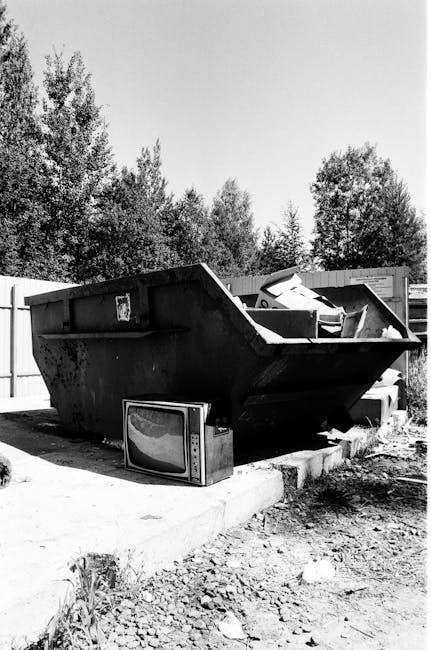
What to know about Lewisham Council rubbish rules and fines
If you live, rent, manage a property, or run a business in Lewisham, rubbish rules are one of those things that only become urgent when something goes wrong. A bag is left beside the bin. A sofa turns up on the pavement. Waste is put out on the wrong day. Then, suddenly, there is a fine, a warning, or a very awkward conversation with the council.
This guide explains what to know about Lewisham Council rubbish rules and fines in plain English. You will learn what usually causes problems, how enforcement tends to work, what good waste practice looks like, and how to reduce the chance of getting caught out. We will also cover practical steps for households, landlords, flat sharers, and businesses, because let's face it, rubbish rules are rarely just about one black sack.
For readers who want a fast, sensible next step, the safest approach is simple: sort waste properly, present it correctly, and use the right disposal route for bulky, hazardous, or commercial waste. That is the boring answer. It is also the one that saves time, stress, and money.
Table of Contents
- Why Lewisham rubbish rules and fines matter
- How the rules and enforcement usually work
- Key benefits of getting rubbish disposal right
- Who needs this guidance most
- Step-by-step guidance to stay compliant
- Expert tips for avoiding penalties
- Common mistakes to avoid
- Tools, resources and recommendations
- Law, compliance and best practice
- Options and comparison table
- Real-world example
- Practical checklist
- Conclusion
- Frequently asked questions
Why Lewisham rubbish rules and fines matter
Rubbish rules are not just about tidiness. They affect pavements, fly-tipping, pest control, recycling performance, and how smoothly streets and estates function day to day. In a busy borough, one badly handled waste pile can quickly become a nuisance for everyone nearby. A wet cardboard box on the pavement after a bit of rain. A broken wardrobe leaning against a wall. A bag split open in the wind. You know the kind of scene.
For residents, the main issue is that small mistakes can trigger enforcement. For landlords and managing agents, the stakes are higher because shared entrances, bin stores, and communal areas create more chances for non-compliance. For businesses, waste needs to be managed carefully because commercial rubbish left in the wrong place can look like illegal dumping, even if that was never the intention.
Fines matter because they are usually avoidable. Most rubbish penalties are not about a one-off accident; they are about repeated mistakes, careless placement, poor segregation, or leaving waste where it should not be. That is why understanding the basic rules early is so useful. It is one of those quiet admin jobs that pays off later.
Key takeaway: if waste is left outside the expected collection process, mixed incorrectly, or dumped in a communal or public space, it can attract attention from enforcement teams. Prevention is much easier than dealing with a fine after the fact.
How Lewisham rubbish rules and fines work
In practical terms, rubbish rules usually cover three things: how waste is stored, when it is placed out for collection, and what type of waste goes into which disposal route. Most people only think about the first two. But the third one is where a lot of issues begin.
Standard household waste, recycling, bulky waste, garden waste, electrical items, and hazardous materials often need different handling. If items are mixed or left out incorrectly, collection crews may refuse them or the council may treat the situation as a breach. That is especially relevant for items like mattresses, fridges, paint, rubble, old flooring, and loose bagged waste.
Fines and other enforcement action usually follow a process. It may start with a notice, an investigation, or evidence gathering if rubbish has been dumped in a public place. In some situations, the issue is obvious and immediate. In others, it is a bit more gradual: a report from a neighbour, a blocked communal bin area, or repeated misuse of bins in a block of flats. Nothing dramatic at first, but it builds.
The important thing is that "my bin was full" is usually not a complete defence if waste is left beside the bin or dumped nearby. Councils and enforcement teams typically look at the overall disposal behaviour, not just the inconvenience. That is why careful planning matters.
If your household or business regularly creates larger volumes of waste, it can help to use a dedicated waste service rather than hoping normal collections will cope. For many people, a planned collection is less stressful than trying to squeeze everything into a narrow window. If you need support with larger clearances, services such as waste removal or business waste removal are often a better fit than leaving items to accumulate.
Key benefits of getting rubbish disposal right
Good waste habits give you a lot more than a tidy kerb. They create fewer disputes, less smell, fewer pests, and a calmer relationship with neighbours and property managers. There is also a practical financial benefit: avoiding fines is only part of the picture. You also avoid wasted time, missed collections, and the scramble of last-minute fixes.
- Lower risk of fines: Proper placement and sorting reduce the chance of enforcement.
- Cleaner shared spaces: Bin stores and communal hallways stay usable.
- Better recycling outcomes: Correct segregation supports recycling and sustainability.
- Less neighbour friction: Fewer complaints about smells, spillages, or blocked access.
- More predictable costs: Planned disposal is usually cheaper than dealing with a penalty or emergency clearance.
There is also a less obvious benefit: confidence. Once you know the basics, you stop second-guessing every bag and box. That sounds minor, but in day-to-day life it really does make things easier. One fewer thing to worry about.
If you are clearing out a flat, garage, loft, or family home, using the right route for each item can make the whole job far smoother. For mixed household clearances, you may find pages like home clearance, house clearance, flat clearance, or loft clearance useful when planning a larger project.
Who this is for and when it makes sense
This topic is relevant to more people than you might think. It is not just for homeowners with overflowing bins. If you live in a block of flats, manage rentals, work from a small office, or are doing building works, rubbish rules can affect you in different ways.
- Homeowners: especially if you are clearing a property, renovating, or replacing furniture.
- Tenants and flat sharers: communal bins often fill quickly and create confusion about responsibility.
- Landlords and agents: you may need to manage rubbish left behind after a tenancy ends.
- Businesses: commercial waste must be handled properly and separated from household waste.
- Builders and trades: rubble, plasterboard, timber, and packaging need a proper disposal plan.
- Older residents or families helping relatives: bulky items and full-house clearances can become physically difficult very quickly.
It also makes sense if you are unsure whether something should go to the kerb, the recycling centre, a specialist collection, or a licensed waste operator. That uncertainty is common. Truth be told, lots of people only learn the rules after a mistake has already happened.
If the waste includes awkward items like an old fridge, mattress, sofa, or anything potentially hazardous, plan ahead. Services such as fridge and appliance removal, mattress and sofa disposal, furniture disposal, and furniture clearance can help reduce the risk of leaving prohibited or awkward items out in the wrong way.
Step-by-step guidance
If you want to stay on the right side of Lewisham rubbish rules, start with the basics and work methodically. A tidy process is usually enough. No fancy system needed.
- Identify the type of waste. Separate household rubbish, recycling, bulky waste, garden waste, electricals, builders' waste, and anything hazardous.
- Check how it should be stored. Make sure bags are sealed, loose items are contained, and nothing blocks entrances, pavements, or shared access routes.
- Match the disposal route to the waste. Use the correct collection method for each item rather than forcing everything into one bin.
- Keep collection timing tight. Put waste out when it is due, not the evening before if that creates a cluttered or unsafe street scene.
- Do not leave bulky items outside casually. Arrange proper collection for furniture, appliances, or large clearances.
- Document what you have done. For landlords and businesses, a simple record of collections can be surprisingly useful if a dispute arises later.
A useful habit is to do one quick walk-through before collection day. Look at the bin area like a neighbour would. Would you think it looks safe, tidy, and manageable? If not, adjust it. This tiny pause can save a lot of trouble.
For trade, renovation, or office clearance work, plan waste removal before the job begins, not after the room is already full of broken materials. Builders' rubble, timber offcuts, office furniture, and packaging can mount up almost silently. One minute it is a few bags. Next minute, the van fills up.
If your waste is commercial in nature, a service such as office clearance or builders waste clearance may be more appropriate than ad hoc disposal. That is often the cleaner, safer route.
Expert tips for better results
In our experience, the people who avoid rubbish fines are not necessarily the ones with the biggest budgets. They are the ones who stay a step ahead.
- Keep communal areas clear. If you live in a block, make sure hallways, bin stores, and shared entrances stay accessible. Enforcement often starts when waste becomes visibly messy or obstructive.
- Use the right bags and containers. Weak bags split. Cardboard gets soggy. Loose rubbish blows about. Small detail, big difference.
- Separate awkward items early. Put hazardous, electrical, reusable, and bulky items in different piles from day one.
- Think about smell and pests. Food waste, nappies, and soaked packaging can create issues fast in warm weather.
- Plan for end-of-tenancy or post-build clearances. These are the moments when waste volumes usually surprise people.
Also, do not assume that a neat pile is automatically acceptable if it is in the wrong place. A neat pile can still be a problem. That is the slightly annoying part, to be fair.
Where sustainability matters, use options that support proper sorting and responsible disposal. You can read more about that approach through recycling and sustainability. For bulky household items that need extra care, mattress and sofa disposal is another sensible route.
Common mistakes to avoid
Most rubbish problems come from the same handful of mistakes. Avoid these and you will already be ahead of the game.
- Leaving bags beside full bins: This is one of the most common reasons rubbish becomes an issue.
- Mixing different waste types: Recycling contaminated with general waste is a frequent problem.
- Dumping bulky items without arranging collection: Sofas, wardrobes, mattresses, and appliances should not be left out casually.
- Putting out waste too early: It can look untidy, block access, or invite fly-tipping.
- Ignoring hazardous waste rules: Some items need specialist handling and should never go in regular household waste.
- Assuming someone else will sort it out: In shared buildings, this is a recipe for friction.
Another easy mistake is forgetting that some items are not just "rubbish"; they are regulated disposal items. Paint, chemicals, fridges, and electrical equipment need a bit more thought. If you are unsure, pause and check before you toss. One careless throw can create a bigger headache than the item was worth.
If the rubbish belongs to a business or a property after a clear-out, build in a proper disposal method from the start. That is often where business waste removal and specialist clearance services save the most stress.
Tools, resources and recommendations
You do not need a complicated toolkit to manage waste well. A few sensible habits and the right service options are usually enough.
- Collection calendar: Keep a simple note of bin days, bulk pickup arrangements, and any special collection times.
- Labelled sorting areas: Even a couple of boxes or sacks marked "recycling", "general", and "bulky" can make a big difference.
- Photo record: A quick photo before and after a clearance can help prove what was removed.
- Property handover checklist: Useful for landlords, managing agents, and sellers clearing a home.
- Specialist disposal options: Choose services that match the item type, especially for appliances, furniture, or hazardous waste.
Useful service pages on this site include hazardous waste disposal for tricky items, confidential shredding for secure paper disposal, and garden clearance if you are dealing with green waste after a big tidy-up.
For bigger domestic jobs, you may also want to look at garage clearance, home clearance, or house clearance. A single planned removal is often more efficient than several small, piecemeal attempts.
Law, compliance, standards, or best practice
Waste compliance in the UK is best thought of as a chain of responsibility. The person creating the waste, storing the waste, moving the waste, and disposing of the waste all need to act carefully. Even when a council is not involved directly, poor handling can still create legal and practical problems.
For households, best practice usually means using the right bins, not overfilling them, keeping communal spaces clear, and arranging legitimate disposal for anything too large or too unusual for routine collection. For landlords and businesses, the expectation is higher. You should be able to show that waste is handled consistently, safely, and by a suitable route.
Hazardous waste deserves special caution. Items that can leak, break, burn, or contaminate other materials should not be treated like ordinary rubbish. If there is any doubt, treat the item as requiring specialist handling rather than guessing. Guessing, frankly, is how people get into trouble.
Best practice also includes respecting neighbours and public spaces. Leaving waste where passers-by have to step around it is not just untidy; it can create trip hazards, block access, and attract complaints. In a dense area, those complaints can move quickly.
If your clear-out includes a skip, make sure you know what should and should not go into it. The page on what can go in a skip is a useful starting point for avoiding contamination and accidental misuse.
Options and comparison table
There is no single right method for every waste problem. The best choice depends on volume, item type, urgency, and whether the waste is household, commercial, or hazardous.
| Option | Best for | Pros | Watch-outs |
|---|---|---|---|
| Regular council bin collection | Everyday household rubbish and recycling | Simple, familiar, low effort | Not suitable for bulky, hazardous, or excess waste |
| Bulky item or specialist collection | Furniture, appliances, mattresses, and mixed household clear-outs | Convenient and cleaner than leaving items out | Needs planning and correct item preparation |
| Skip-based disposal | Renovations, garden work, and larger projects | Good for volume and multi-day jobs | Must be loaded correctly and used for acceptable materials only |
| Specialist clearance service | Large mixed loads, commercial waste, or awkward items | Fast, practical, reduces the risk of mistakes | Choose the right service for the waste type |
If you are clearing one sofa, a simple disposal option may be enough. If you are emptying a whole flat after a tenancy, you probably need a broader clearance solution. If you are handling office furniture, paper waste, and old electronics, the commercial route is usually the better fit.
For help choosing the right method, it can be worth comparing furniture clearance with office clearance or builders waste clearance, depending on the job. Different waste types, different headaches.
Real-world example
A typical case looks something like this: a tenant moves out of a Lewisham flat and leaves a mattress, a broken chair, and several bin bags in the communal hallway because the bin store was already full. The intention was probably harmless enough. The result, though, is a cluttered hallway, a frustrated neighbour, and a property manager who now has to sort the mess.
In that situation, the real issue is not just the items themselves. It is the placement, the timing, and the lack of a proper disposal plan. If the waste had been separated in advance, the bulky items arranged for collection, and the bags stored correctly, the whole thing might have passed without incident.
Another common scenario involves a small business clearing out stock room clutter after a refit. Boxes, packaging, broken shelving, and old files get piled into a corner "for later". Later comes, the pile grows, and suddenly the space is half unusable. A planned clearance would have kept the area safe, avoided dust and mess, and made it much easier to stay compliant.
These are ordinary situations, not dramatic ones. That is exactly why they matter. Most fines and complaints start with ordinary habits.
Practical checklist
Use this quick checklist before you put waste out or arrange a clearance.
- Have I identified the waste type correctly?
- Is anything hazardous, electrical, or bulky in the load?
- Am I using the correct bin, collection, or disposal route?
- Are bags sealed and containers intact?
- Will anything block access, pavements, or communal entrances?
- Have I checked whether the waste needs specialist handling?
- Have I arranged collection in time, rather than leaving it for later?
- Do I know who is responsible if this is a shared property or business premises?
- Have I kept a note or photo record if I may need it later?
- Does the area still look tidy from a neighbour's point of view?
If you can tick most of those off, you are usually in a good position. If not, pause and reset the plan. Better to spend ten minutes now than deal with a complaint tomorrow morning.
Get a free quote today and see how much you can save.
Conclusion
Understanding Lewisham Council rubbish rules and fines is really about staying one step ahead. Keep waste contained, choose the right disposal route, and avoid leaving anything where it should not be. That simple discipline protects you from avoidable fines, keeps shared spaces cleaner, and makes life easier for everyone around you.
Whether you are dealing with a one-off clear-out, a bulky item, or ongoing commercial waste, the best outcome comes from planning rather than improvising. The rules may seem a bit fussy at first, but they are there for good reason. Once you build the habit, it becomes second nature.
And honestly, that is the goal: less noise, less stress, less rubbish hanging around on the wrong day. Just a cleaner, calmer way of getting things done.
Frequently Asked Questions
What happens if I leave rubbish out too early in Lewisham?
Leaving rubbish out too early can create clutter, block access, and make it more likely to be treated as a waste problem. If bags or items are visible for longer than they should be, that increases the chance of complaints or enforcement.
Can I leave a sofa or mattress beside the bins?
Usually, no. Bulky items need a proper collection route. Leaving them beside bins is one of the most common reasons for waste issues, especially in communal areas. A planned bulky item removal is the safer option.
What counts as fly-tipping?
Fly-tipping generally means leaving waste somewhere it should not be left, especially in public places or on land without permission. That can include dumping bags, furniture, builders' waste, or mixed rubbish in the wrong location.
Are businesses treated differently from households?
Yes, they often are. Businesses have a greater duty to manage waste properly and keep records where needed. Commercial rubbish should not be treated like household waste, and mixed or unmanaged loads can create compliance problems.
Do I need specialist help for electrical items?
Often, yes. Electricals can require separate handling, especially if they are damaged, bulky, or part of a larger clearance. Appliances and fridges in particular are best dealt with through the right disposal route.
What should landlords do to avoid rubbish fines?
Landlords should set clear move-out expectations, inspect communal areas, and arrange prompt clearances after a tenancy ends. It helps to keep photos and notes, especially if waste is left behind in a flat or shared building.
How do I know if waste is hazardous?
If waste can leak, burn, corrode, or contaminate other materials, treat it carefully. Paint, chemicals, certain batteries, and some appliances may need specialist handling. If you are unsure, do not guess.
Is a skip always the best option for rubbish removal?
No. Skips are useful for some jobs, especially renovation or garden work, but they are not ideal for everything. Mixed clearances, awkward items, and time-sensitive jobs may be better handled through a clearance service.
What if my communal bin store is already full?
That is frustrating, but it does not automatically mean waste can be left beside the bins. If the bin store is full, contact the relevant property manager or arrange an alternative disposal method rather than creating an obstruction.
How can I avoid problems during a house clearance?
Sort items early, separate bulky goods from general rubbish, and plan disposal before the property is fully packed with bags and boxes. Services such as house clearance, home clearance, or loft clearance can make the process much smoother.
Where can I find help with a large clearance in Lewisham?
If you have a bigger job, look at the relevant clearance page for your waste type and choose the route that matches the items involved. For example, commercial waste, furniture, garden waste, and builders' debris all need different handling. A bit of planning now saves a lot of chaos later.